Egypt Travelling Guides · Climate
Regional Climate Guide and Seasonal Variations
The weather here moves between hot, dry summers and mild winters — but the gap between the northern coast and the southern valleys is wide enough to change what you carry and when you step outside.
Overview
What a traveller into Egypt can expect
The climate is primarily hot and dry, with mild winters — but regional differences are large enough to matter. The northern coast sits under a Mediterranean influence with milder summers and winter rainfall. The interior and south are exceptionally arid, with almost no rain year-round. This guide walks through the seasons, the gaps between zones, and how to prepare for each.
June – August
The Summer Peak
Southern temperatures frequently exceed 40°C. The capital and river-adjacent areas add humidity to the heat. Schedule exploration for early morning or late evening.
December – February
The Winter Season
Daytime highs hover around 20°C — comfortable for walking and outdoor sites. Desert nights can approach freezing. Pack warm layers for after sunset.
March – April
Spring & Khamsin
Pleasant overall, but the Khamsin wind carries Saharan dust and sudden heat spikes. Carry eye protection and expect reduced visibility during storms.
Regional Contrast
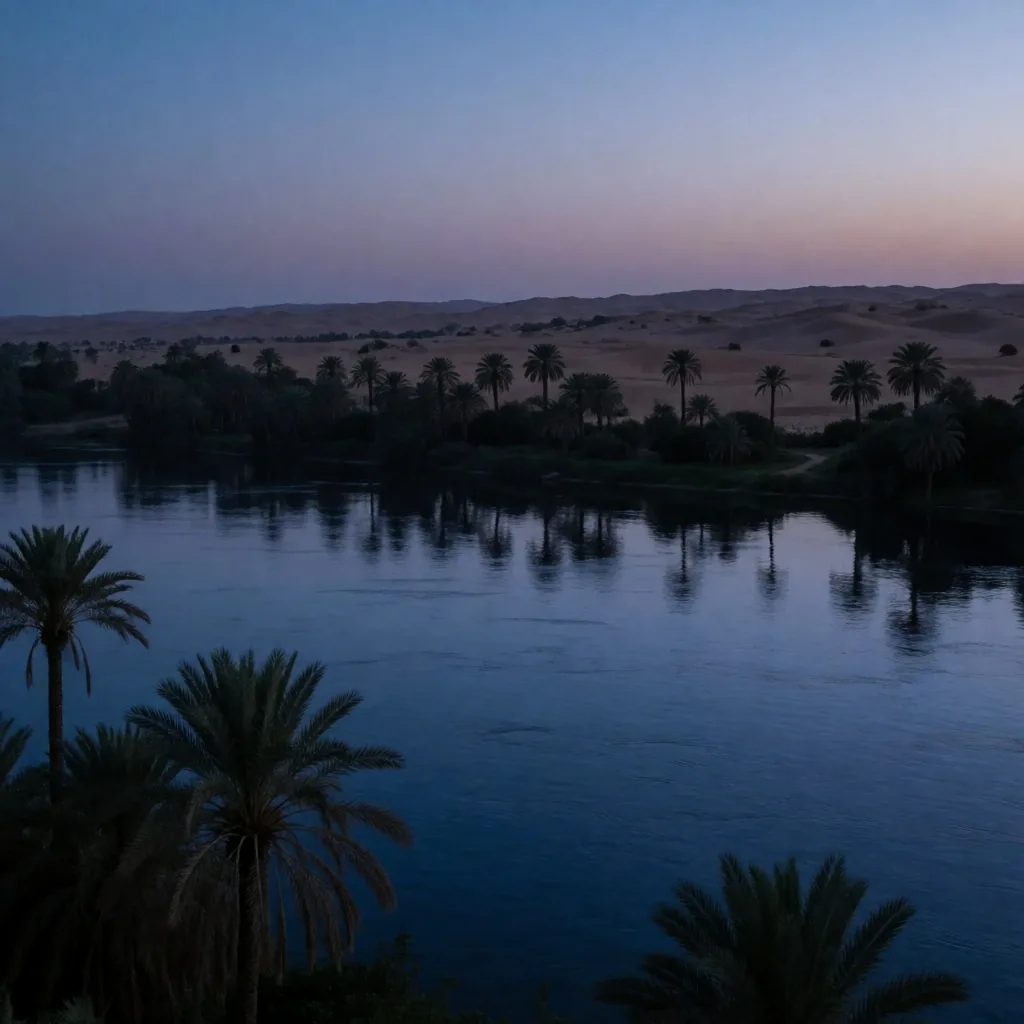
Coastal humidity, desert aridity
The northern coast sits under a Mediterranean climate — milder summers, higher winter rainfall. The interior and south are exceptionally dry with almost no rainfall throughout the year. In the arid zones, hydration stays a constant priority regardless of the temperature reading.
Eastern Coast
Water temperatures and coastal activity
For those focused on the eastern coast, the water stays relatively warm all year. Even in winter, sea temperatures rarely drop below 21°C — making the coast a year-round option for water-based activities. Summer water temperatures reach roughly 28°C, warm enough for long sessions without a wetsuit.
The comfortable water window is wide. What changes most is the air temperature and UV exposure around it — not the sea itself.
Daylight
Daylight hours and planning
Daylight length does not swing as drastically as at higher latitudes, but the difference is still noticeable. Summer sunrises are early, giving a long morning window before peak heat. Winter sunsets arrive relatively early — evening plans should account for the rapid onset of darkness.
Start outdoor activity at sunrise in summer to beat the heat build-up.
Carry a light layer for winter evenings — the temperature drops fast after sunset.
Check the local sunrise time for your specific destination each week.
Sinai Highlands
Regional microclimates
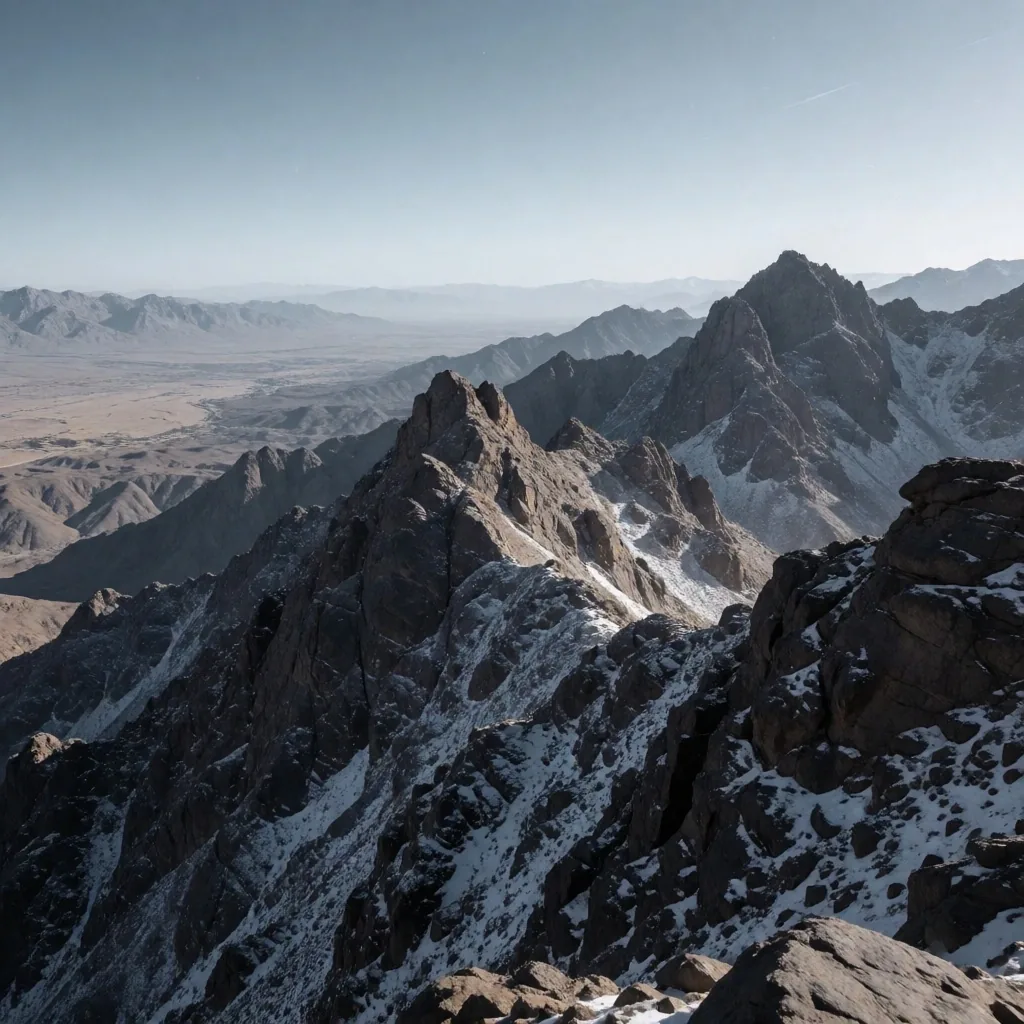
The mountainous areas of the Sinai have their own climate. Snow is possible at high altitudes in winter, while the valleys below remain warm. A general regional forecast will not capture these localized differences.
Always check the specific forecast for your exact destination. What holds for the coast or the river valley may not hold for a highland ridge or a sheltered canyon. Elevation, wind exposure, and ground cover all shift the real conditions away from the regional average.
Preparation
Preparing for extreme heat
When temperatures rise, the body requires significantly more water and salt than usual. The practical moves below are how a traveller into Egypt manages the heat day to day — drawn from the physical reality of the climate, not from a brochure.
Hydrate consistently
Drink water at regular intervals, not only when thirsty. In the arid south, the air pulls moisture from your skin faster than you notice. Add salt or electrolytes to one bottle per day to replace what sweat removes.
Seek shade between noon and 3pm
The sun is strongest in the early afternoon. Plan indoor or shaded activity for those hours. Save outdoor exploration for the first and last thirds of the day, when light is softer and heat is manageable.
Wear loose, breathable layers
Loose-fitting cotton or linen lets air circulate across your skin. Light colors reflect heat. A wide-brimmed hat and UV-rated sunglasses are not optional in the southern regions during summer — they are the difference between a productive day and a headache.
Recognize heat exhaustion signs
If you feel lightheaded, dizzy, or unusually fatigued, stop all activity immediately. Find a cooled or shaded environment, drink water slowly, and rest. Pushing through heat exhaustion is how it becomes heat stroke — which is a medical emergency, not a discomfort.
March – April
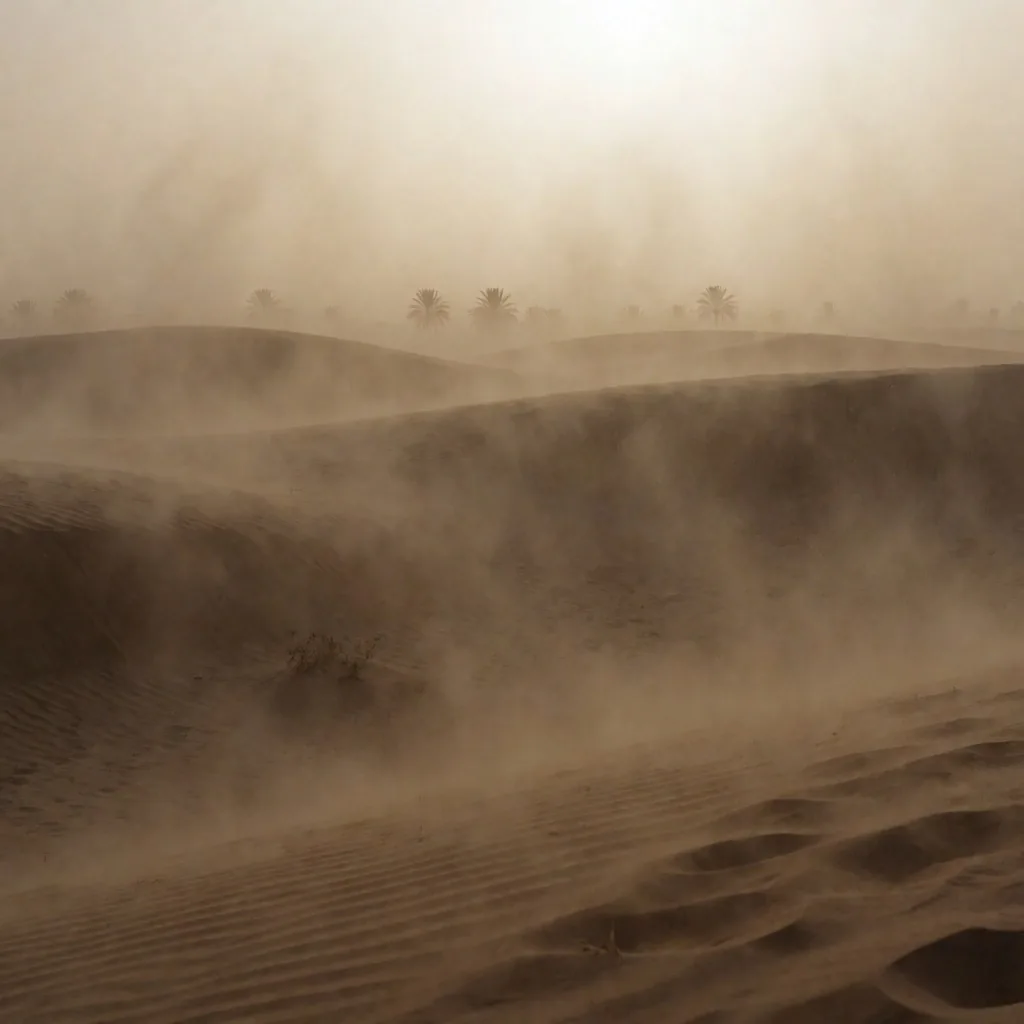
The Khamsin wind
Spring is pleasant overall — but the Khamsin blows hot, dusty air from the Sahara, raising temperatures sharply and cutting visibility. Carry sealed eye protection, a breathable face covering, and check the forecast for storm warnings before heading into open terrain.
Common Questions
Egypt travelling guides: climate FAQ
When is the most comfortable season for outdoor exploration? +
Winter — December through February — offers the most comfortable daytime temperatures for walking, hiking, and outdoor sites. Highs sit around 20°C. The trade-off is cold nights, especially in the desert, where temperatures can approach freezing.
How different is the coast from the interior? +
The northern coast has a Mediterranean climate — milder summers, cooler winters, and measurable winter rainfall. The interior and south are exceptionally arid with almost no rain year-round. The temperature gap between the two can be 10–15°C on the same day.
What should I pack for the Khamsin season? +
Sealed eye protection — goggles or close-fitting wrap sunglasses — a breathable cotton face covering, and a light long-sleeved layer to keep dust off your skin. Carry water in a sealed container; dust settles into open bottles faster than you would expect.
Are the mountainous areas colder than the rest? +
Yes — the Sinai highlands have their own microclimate. Snow is possible at altitude in winter, while the valleys stay warm. If your route crosses elevation changes, pack layers and check the specific local forecast rather than relying on the regional average.
Is the sea warm enough for swimming year-round? +
On the eastern coast, yes. Sea temperatures rarely drop below 21°C even in winter, and summer readings reach around 28°C. The water is a year-round option. What changes season to season is the air temperature and UV exposure — not the sea itself.
Continue Reading
More travel guides for the journey
The climate shapes what you carry and when you move. The next pages cover what to pack for these conditions and how to navigate local customs with respect.
Related guides