
Safety and Navigation Advice for Travellers
Navigating a new country requires a proactive approach to personal safety and logistical planning. While the region is accustomed to hosting visitors from around the world, there are specific local conditions that require attention. This guide provides non-commercial advice for a traveller into Egypt to ensure a secure and organized journey through the various provinces.
Traffic in major cities can be intense
Traffic follows a logic that may seem chaotic to outsiders. Pedestrians should exercise extreme caution when crossing streets, often waiting for a gap in traffic or following the lead of a local. If you are hiring a vehicle with a driver, ensure they adhere to speed limits and use seatbelts where available.
When Crossing on Foot
Wait for a natural gap in the flow of vehicles, or walk alongside a local who is already crossing. Major intersections may not always have functioning signals, so patience matters more than right-of-way.
When Riding with a Driver
Confirm that seatbelts are available before the trip begins. If the driver accelerates beyond what feels safe, a calm request to slow down is reasonable and usually respected.
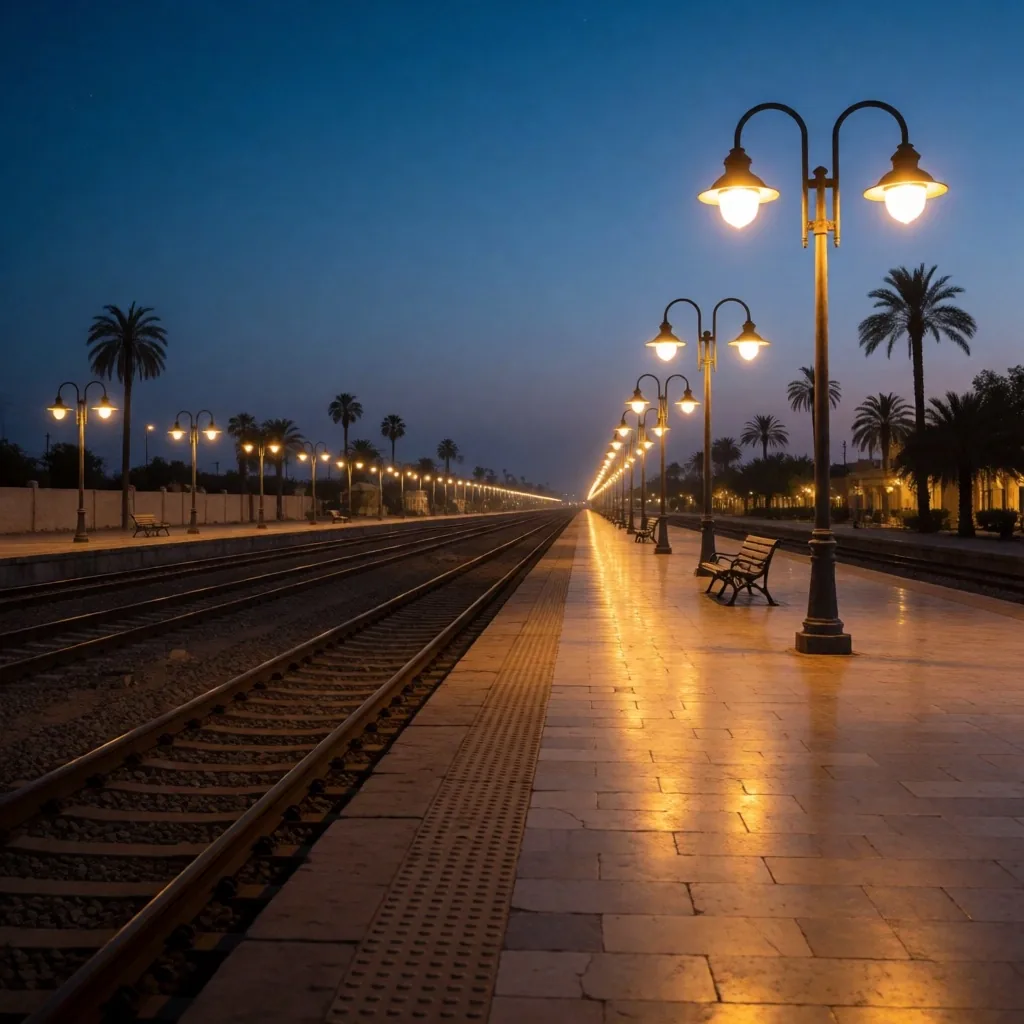
Getting between provinces by rail
The rail system is a reliable way to travel between the north and south, though tickets should be organized in advance at the station. For shorter distances, microbuses and licensed taxis are common.
Always ensure the meter is running or agree on a destination before the journey begins to avoid confusion upon arrival. Having the address written down in advance helps when spoken directions are unclear.
Bottled or Filtered Only
Drink only bottled or filtered water, and avoid ice in drinks unless you are certain it is made from purified water. Sealed bottles from a shop are the safest choice.
Carry More Than You Need
If you are exploring outdoor sites, carry more water than you think you will need and take regular breaks in the shade. Morning and late afternoon hours are cooler and easier on the body.
Watch for Exhaustion Signs
Headaches, dizziness, and nausea are early signs of heat exhaustion. Rest in a cool place, drink water slowly, and postpone further outdoor activity until you feel recovered.
Tourism police and official guards
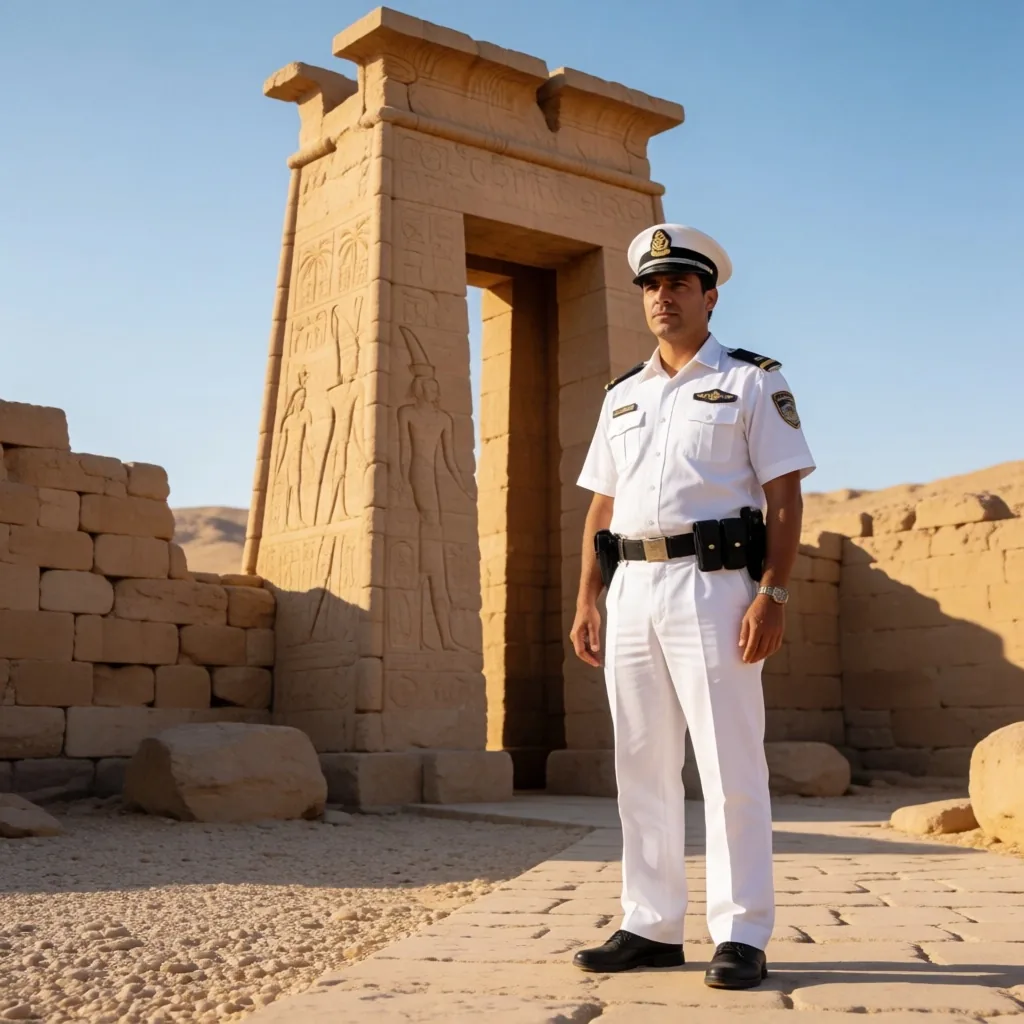
Tourism police and official guards are stationed at most major landmarks and are there to assist visitors. They typically wear white uniforms in the summer and black in the winter.
If you have questions about directions or safety, these officers are the most reliable sources of assistance in public areas. They are trained to help travellers and can point you toward the correct route or provide guidance in case of difficulty.
Decline unsolicited help calmly
In busy areas, you may encounter individuals offering unsolicited help or directions. While most are well-meaning, it is best to politely decline and continue to your destination if you did not request assistance.
Relying on your own maps or the advice of your accommodation staff is usually the most effective strategy. A simple headshake and steady pace are enough to signal that you do not need guidance.
Carry only what you need
Keep your main travel documents and large sums of cash in a secure safe at your lodging. Only carry what you need for the day, and use a money belt or secure pocket for your wallet and phone.
Being mindful of your surroundings in crowded markets or on public transport significantly reduces the risk of petty theft. A zipped bag worn close to the body is harder to open unnoticed than an open tote.
Save the local emergency numbers to your phone
Before heading out, save these numbers to your phone: 122 for the police, 123 for an ambulance, and 126 for the tourist police. Knowing the address and phone number of your country's embassy or consulate is also a vital precaution. Keep these details written down in your day bag as well.
Police
General police assistance for non-medical emergencies and public safety incidents.
Ambulance
Medical emergencies requiring urgent transport to the nearest hospital or clinic.
Tourist Police
Dedicated assistance for travellers facing difficulties at heritage sites and public areas.
Keep your policy accessible
Ensure your travel insurance covers medical evacuation and all activities you plan to undertake, such as diving or desert trekking. Keep a digital copy of your policy and the claims contact number in your email.
Having these records accessible can save vital time in the event of an unexpected medical situation. A printed copy in your day bag serves as a backup if your phone loses power or signal.
- ✓ Save 122, 123, and 126 in your phone contacts before your first day out
- ✓ Carry a written note with your lodging address and embassy phone number
- ✓ Store a digital copy of your insurance policy in your email and a cloud account
- ✓ Keep spare water and a hat in your day bag for outdoor exploring
- ✓ Use a money belt or zipped pocket for your wallet and phone in busy areas
- ✓ Confirm your driver uses the meter or agree on the fare before departing
These egypt travelling guides help you prepare for the conditions ahead
For further reading on what to carry, how the climate varies by region, and how to respect local customs, explore the related guides below.