
Social Customs Field Guide
Local Etiquette and Social Traditions
A successful journey is often defined by the quality of interactions with the local population. The region has a deep-rooted history of hospitality and social decorum that visitors should strive to respect.
Chapter One
Understanding the Social Fabric
By understanding these norms, a traveller into Egypt can move through the country with ease and build positive connections with those they meet. The following chapters break down the specific habits, gestures, and social expectations that shape daily interactions — from how a conversation opens to how a shared meal concludes.
These are not rigid rules enforced by authority, but living customs rooted in a long history of hospitality. Most locals appreciate the effort behind a respectful gesture even when the execution is imperfect. The information collected here draws from everyday situations a visitor is likely to encounter, presented as practical context rather than an exhaustive rulebook.
Chapter Two
The Importance of Greetings
Opening
A Conversation Begins
Social interactions usually begin with formal greetings, often involving a handshake and well-wishes. Taking a moment to exchange pleasantries signals that you see the other person as more than a means to an end.
The Right Hand
A Significant Norm
Using the right hand for shaking hands, eating, and passing items is a significant cultural norm. The left hand is traditionally reserved for personal hygiene. If you are left-handed, a quiet adjustment here avoids awkward moments.
One Word
Salaam
A simple "Salaam" is a universally recognized way to start a conversation respectfully. It costs nothing, and it opens doors that a rushed, gesture-only approach often leaves closed.
Chapter Three
Modesty in Public Spaces
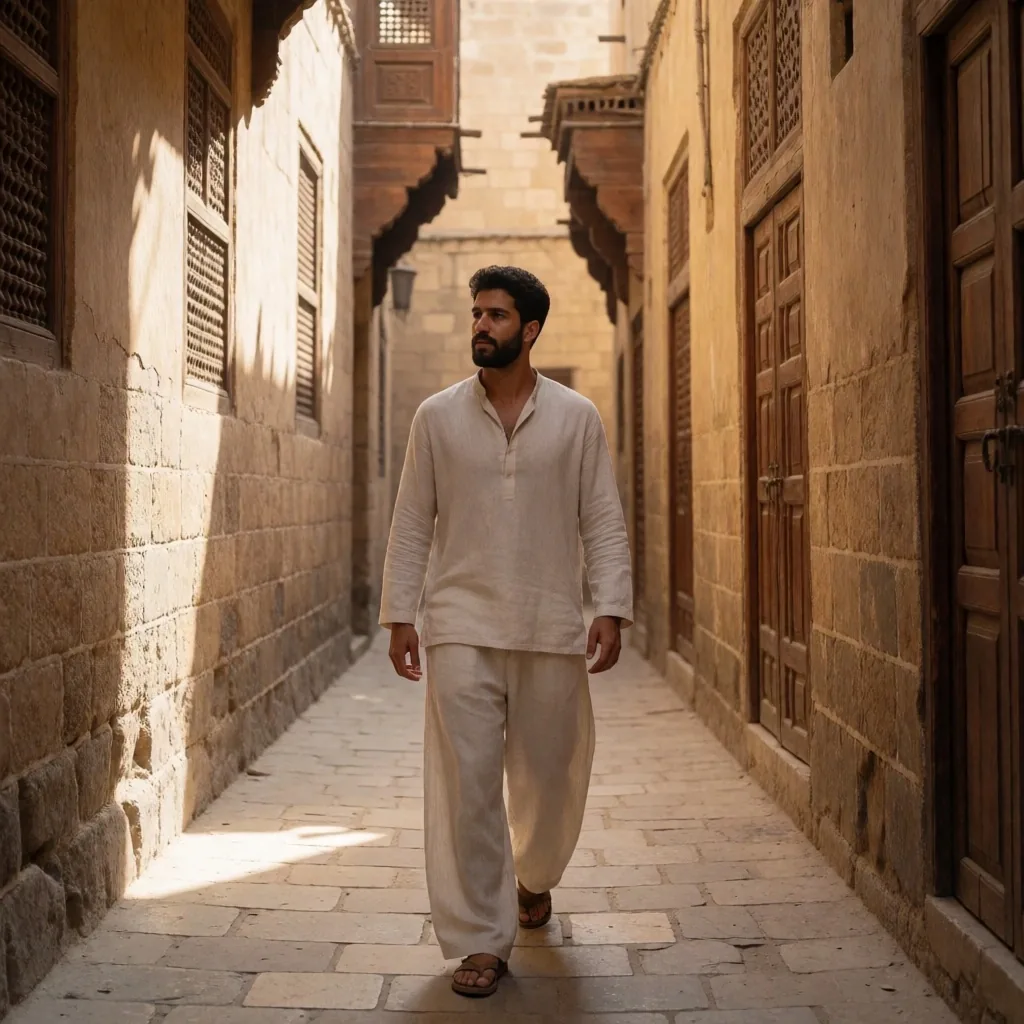
While the coastal resorts are more relaxed, urban centers and rural villages maintain conservative standards for dress. Both men and women should aim to cover their shoulders and avoid overly tight or revealing clothing in public.
Loose, breathable fabrics serve double duty here: they protect against intense sun and meet the local expectation of covering knees and shoulders. Long trousers, skirts past the knee, and shirts with sleeves are practical choices for most settings outside the beach strip.
This is especially important when visiting religious sites, where head coverings for women may be required. Carrying a lightweight scarf takes care of both the sun and the occasional entry requirement without needing advance preparation.
Chapter Four
Tipping and Gratuity
Baksheesh
Tipping is a standard part of the social fabric and is expected for most services, from bag handling to guided tours. Carrying small notes of the local currency allows you to provide a small token of appreciation without delay.
It is seen as a gesture of gratitude rather than a commercial transaction. The amounts are modest by visitor standards — often the equivalent of small change — but the act itself carries social weight. Someone who carries your bag, points out a feature, or offers directions is participating in an informal economy of courtesy that predates the tourism industry.
Carry
Small notes in local currency, not large denominations.
When
After the service is completed, offered directly.
How Much
Modest change is sufficient — it is the gesture, not the amount.
Chapter Five
Photography Etiquette
Always ask for permission before taking a photo of a person, especially in smaller communities or markets. While many people are happy to be photographed, some may decline or ask for a small tip in exchange.
A raised camera and a questioning look are usually enough to communicate the request across a language barrier. A smile and a nod of refusal are both acceptable responses. Respecting these boundaries prevents intrusive behavior and fosters a more harmonious environment.
It is also worth noting that some sites discourage photography entirely, often for reasons of preservation or privacy. When in doubt, put the camera away and simply look.

Chapter Six
Dining and Social Gatherings
If you are invited to a local home, it is customary to remove your shoes before entering the living area. Bringing a small gift, such as sweets or pastries, is a highly appreciated gesture.
During a meal, it is polite to accept second helpings if offered, as this reflects well on the host's hospitality. Refusing too quickly can read as rejection of the generosity itself. A simple "just a little more" navigates the balance between appreciation and your own comfort.
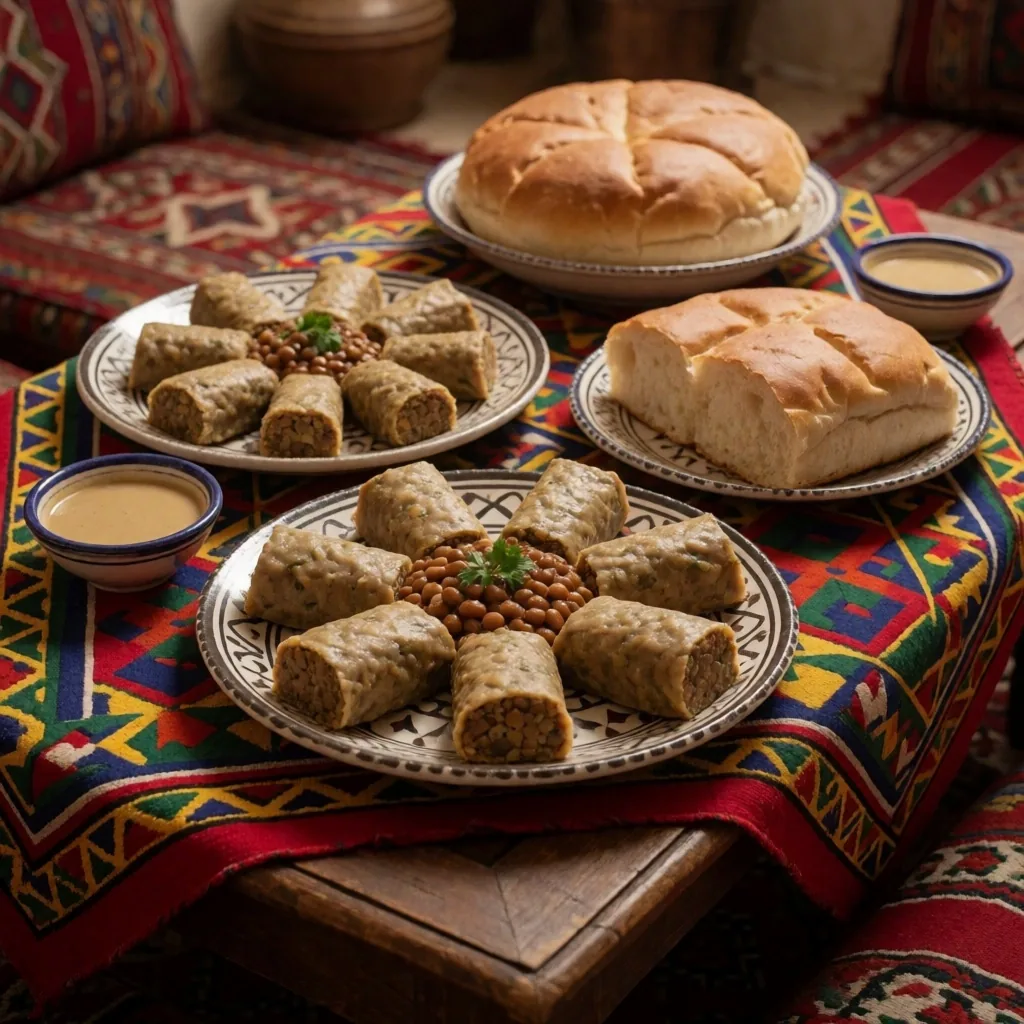
Meals are often communal and eaten from shared dishes. Wash your hands before sitting down, use the right hand for eating, and follow the host's lead on when to begin and when to rise from the table.
Chapters Seven & Eight
Public Conduct and Religious Customs
Public Conduct
Public Displays of Affection
Public displays of affection, such as kissing or hugging between partners, are generally discouraged and can be seen as disrespectful in many areas. Holding hands is generally acceptable in more tourist-heavy zones but should be avoided in conservative neighborhoods.
Maintaining a degree of decorum in public helps avoid unnecessary attention. What feels restrained by one standard reads as respectful by another — and respect is the currency that matters here.
Religious Customs
Observing Tradition
The majority of the population follows Islamic traditions, and the call to prayer can be heard five times a day. During the holy month of Ramadan, many people fast from sunrise to sunset.
During this time, visitors should avoid eating, drinking, or smoking in public during daylight hours out of respect for those fasting. The fast is broken each evening with communal meals, and the atmosphere shifts — evenings become lively and social in ways worth experiencing.
Chapter Nine
Communication Style
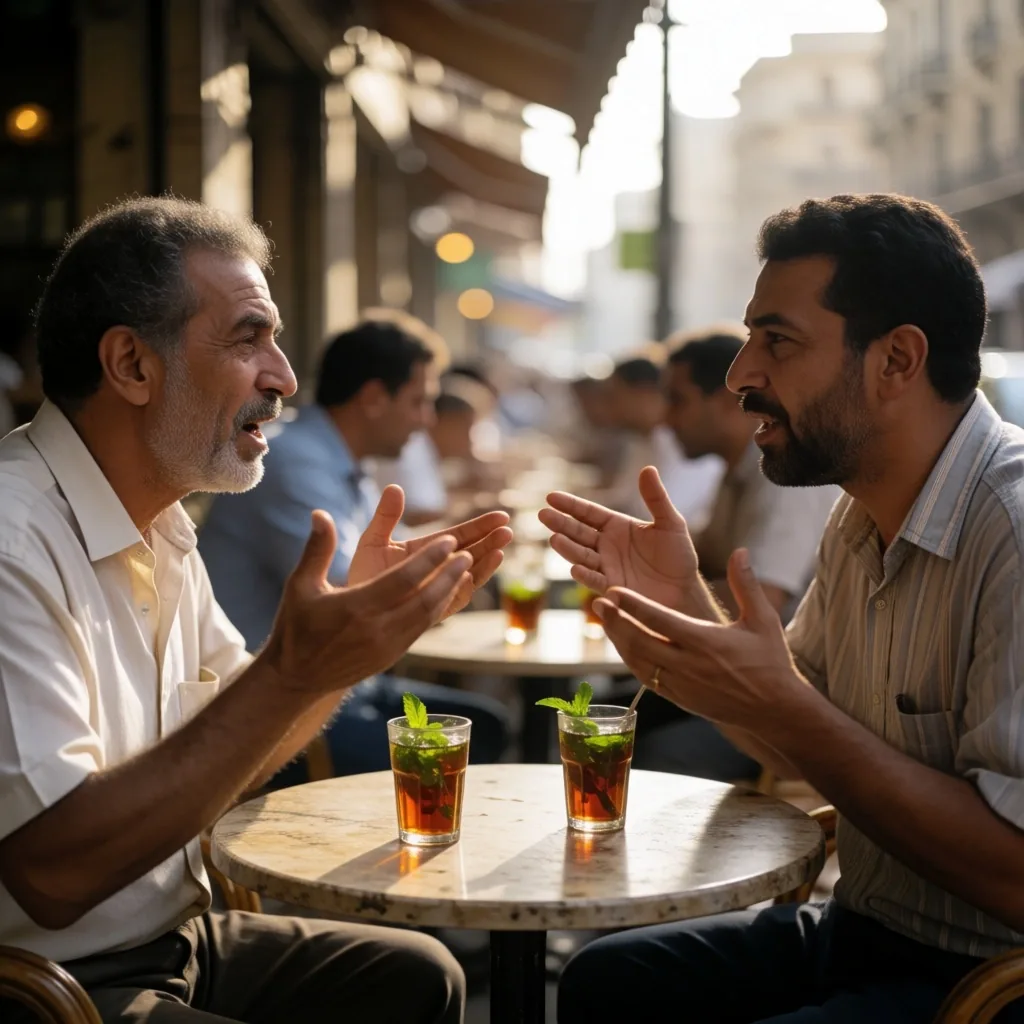
Conversations are often lively and may involve a lot of gesturing and physical proximity. People generally value indirect communication and politeness over bluntness.
Taking the time to engage in small talk before getting to the point of your query is considered good manners and will likely result in a more helpful response. Asking about family, health, or the day — even briefly — establishes a baseline of goodwill that opens the door to a better answer, a better recommendation, or simply a warmer exchange.
Closing Notes
Carry These Habits, Not the Anxiety
No one expects perfection. What matters is the visible effort to meet local norms halfway — a right hand extended, shoes removed at a threshold, a moment of small talk before a question. The egypt travelling guides collected here are field notes for the everyday moments that shape a journey.
For practical preparation alongside these social customs, the safety advice page covers what to keep on hand and what to watch for while moving through the region. The editorial team is available for questions that fall between the chapters.
Field Office
Travel Guide Egypt
14 Shehab Street, El Mohandseen
Giza Governorate, Egypt
Mon–Fri 09:00–18:00
+201066549352