Field Guide · Region Overview
Essential Navigation for the Traveller into Egypt
Preparation is the foundation of any international trip. This resource serves as a central hub for objective information on how to navigate the terrain, understand regional norms, and prepare for a stay in the north-eastern corner of Africa.
The Lay of the Land
Understanding the Regional Landscape
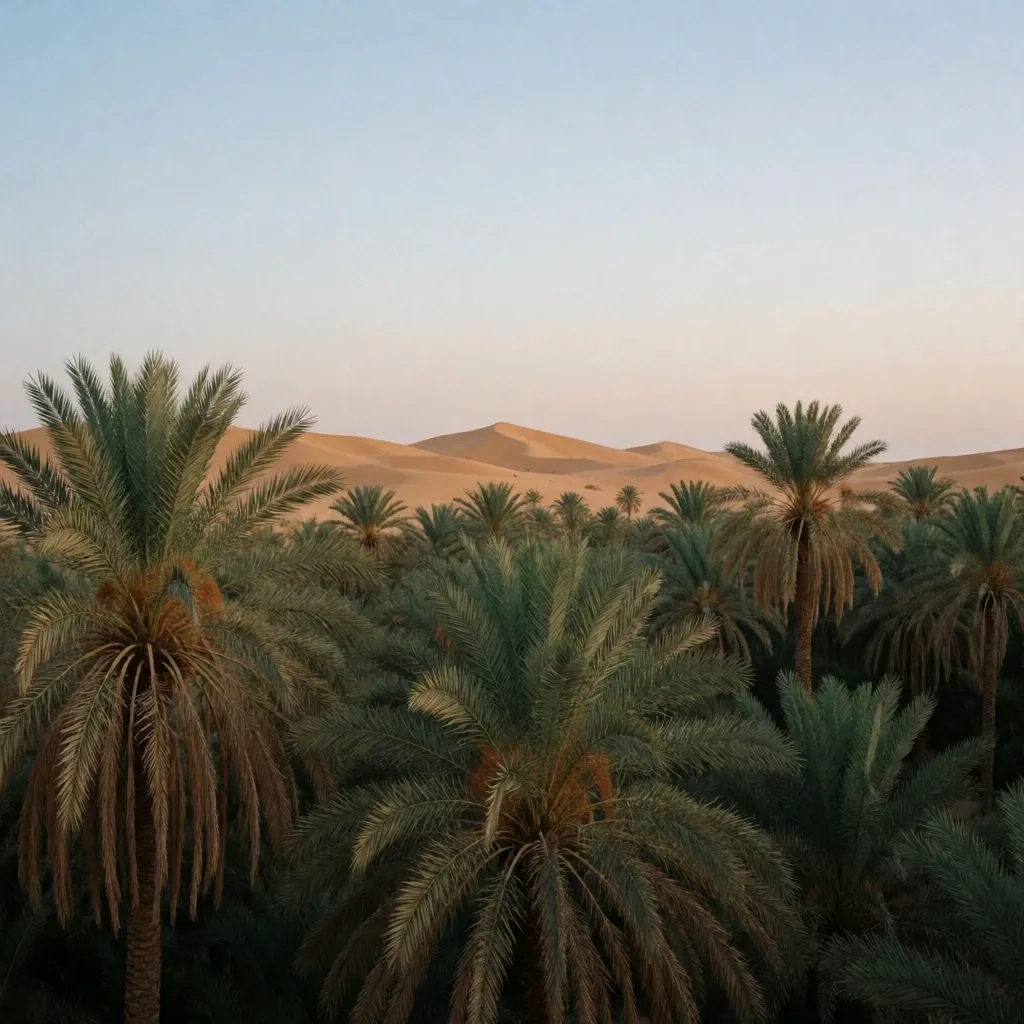
The geography of this area is defined by the contrast between fertile river banks and expansive arid zones. A traveller into Egypt must recognize that daily life often revolves around the movement of the sun and the proximity to water sources.
Exploring these regions requires an appreciation for the vast scale of the desert and the dense population centers that have existed for thousands of years along the same narrow ribbon of water.
Moving Around
Navigating Between Major Hubs
Rail Networks
An extensive rail system connects the northern delta to the southern valleys. Overnight carriages cover long distances while the heat subsides, and daytime regional trains handle shorter hops between population centers.
Road Travel
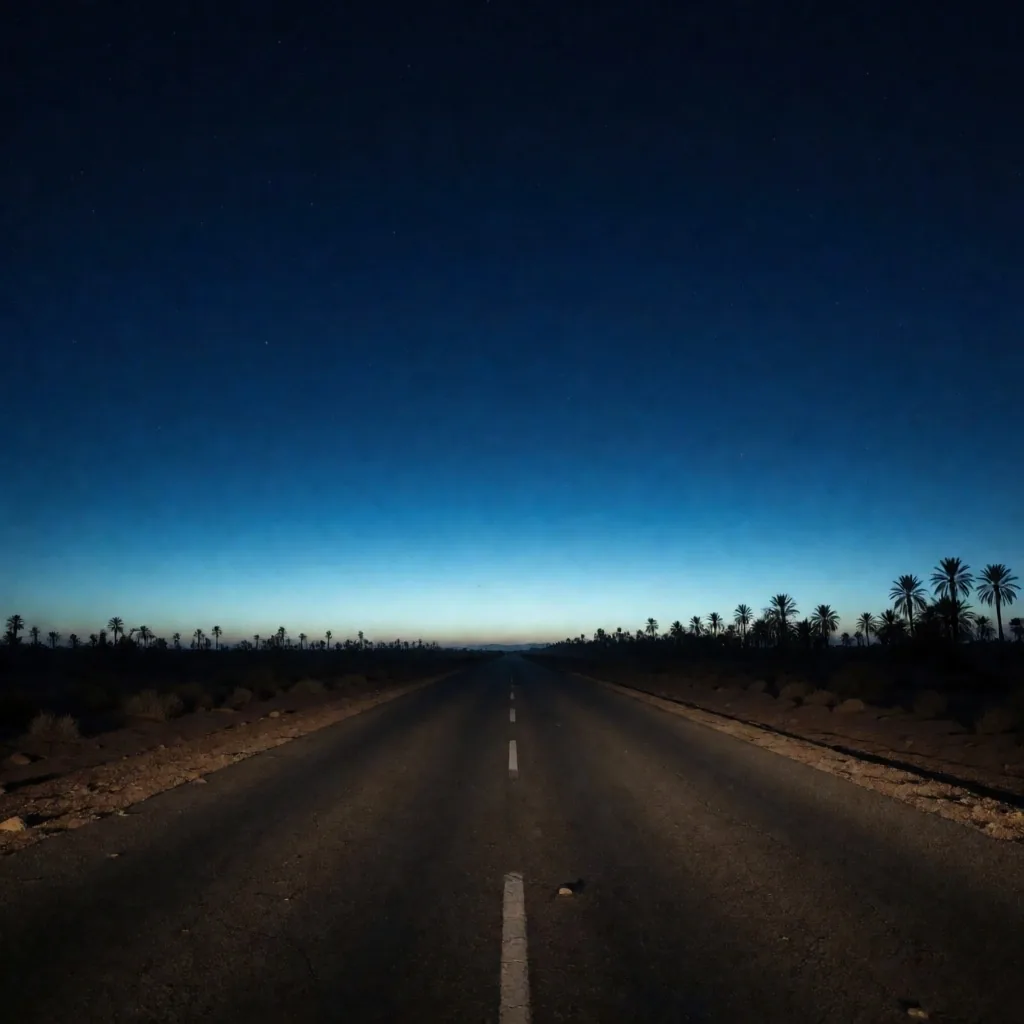
Desert highways link the interior to the coast. Road conditions vary widely, and timing is everything due to the unique pace of local traffic and the shifting volume of vehicles during holiday periods.
Domestic Air
For covering the greatest distances quickly, domestic air routes connect the capital to the southern coastal stretches. Understanding how to transition between the bustling streets and quieter resort areas is vital.

The Role of Local Guides
Engaging with travel guides provides a layer of context that is often missed when navigating alone. These professionals offer insights into the history of landmarks and help bridge communication gaps in areas where English is less common. Relying on local expertise ensures that you respect boundaries while gaining a deeper understanding of the surroundings.
Where You Stay
Accommodation Expectations
Lodging options vary significantly depending on whether you are staying in a major city or a coastal retreat. Most establishments focus on providing shade, ventilation, and access to fresh water, which are the primary requirements for comfort in this climate.
Travellers should prioritize locations that offer reliable cooling systems and proximity to transport links. Coastal properties benefit from sea breezes that reduce the need for artificial climate control, while inland city stays depend entirely on the quality of their ventilation infrastructure.
Detail · Underwater
Interaction with the Environment
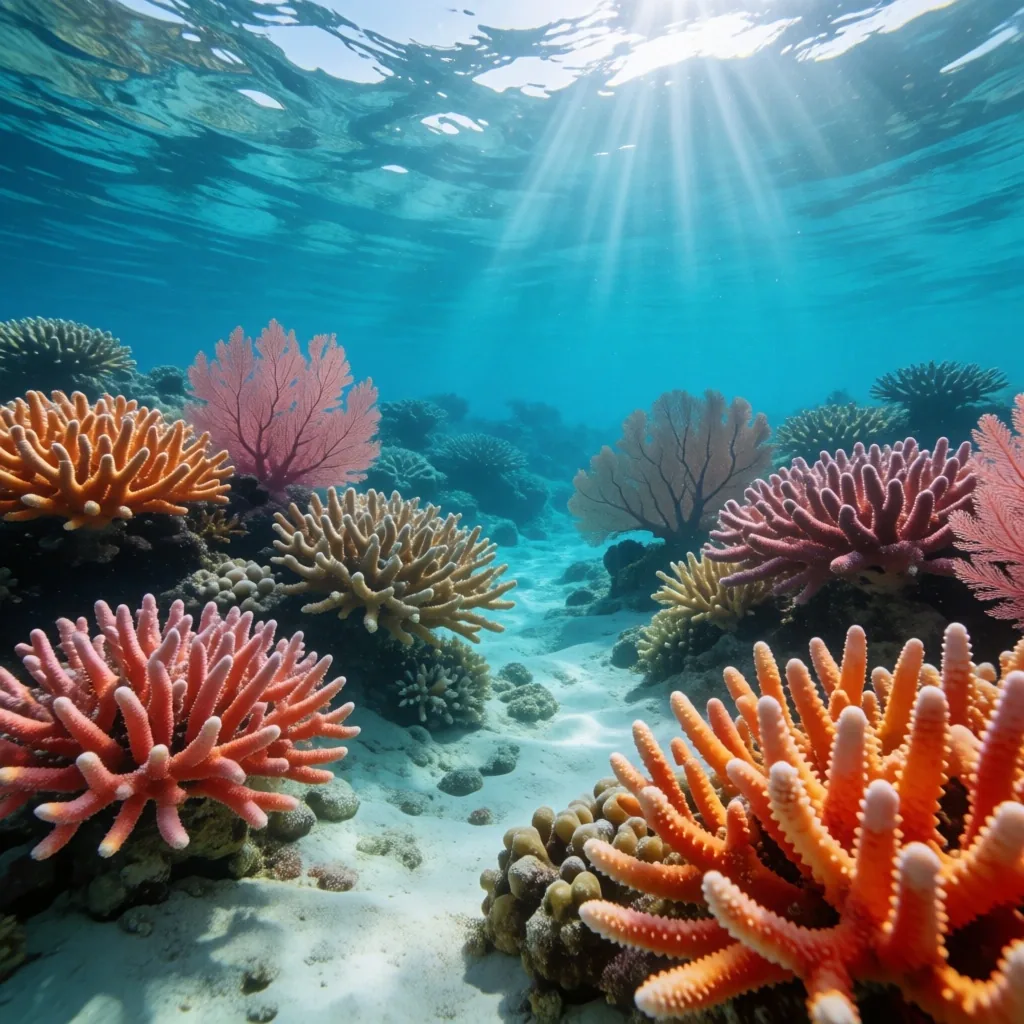
The natural world here is both beautiful and demanding. From the underwater ecosystems of the eastern coast to the shifting sands of the interior, the environment requires specific precautions regarding sun exposure and hydration.
Respecting the fragile nature of the coral and the stillness of the desert is a core responsibility for every visitor. Leave nothing behind and take only photographs.
Coral Etiquette
Do not touch or stand on coral formations. Even light contact damages living polyps that take decades to recover.
Desert Stillness
Carry out everything you carry in. The desert preserves what is left behind far longer than wetter climates do.
Daily Life on the Ground
Language, Currency, and Rhythms
Language and Communication
While Arabic is the primary language, the hospitality sector is well-versed in international communication. Learning basic greetings and numerical terms can significantly enhance daily interactions at markets or when coordinating transport. Clear communication helps set expectations and reduces the likelihood of misunderstandings.
Currency and Exchange
Navigating the local economy requires an understanding of the regional currency and the commonality of cash transactions. While cards are accepted in larger establishments, having small denominations of cash is necessary for local transport and smaller stalls. Familiarizing yourself with current exchange rates helps in planning your daily budget effectively.
Daily Rhythms and Timing
Life in the region often slows down during the peak heat of the afternoon and becomes more active in the cooler evening hours. Adjusting your schedule to match this rhythm allows for a more comfortable exploration of the sights. Many local services and social spaces remain open late into the night to accommodate this shift.
Sustenance and Safety
Culinary Traditions and Safety
The local diet is rich in legumes, grains, and fresh vegetables, reflecting the agricultural output of the river valley. Travellers are advised to prioritize bottled water and ensure that fresh produce is peeled or thoroughly washed before eating.
Understanding these dietary foundations helps in maintaining health throughout the duration of your trip. Street food can be safe and excellent when sourced from busy stalls with high turnover, but always trust your instincts and observe how ingredients are handled.
Staying Reachable
Connectivity and Modern Utilities
Staying connected is relatively straightforward with the availability of local SIM cards and widespread internet access in urban areas. However, in remote desert locations, signals can become intermittent.
It is recommended to download offline maps and essential documentation before heading away from the primary urban centers. Carrying a portable power bank is also advisable, as grid reliability can vary outside city limits.
Recording Your Trip
Photography and Documentation
Capturing the scenery is a highlight for many, but it is important to be aware of local restrictions. Certain government buildings and strategic infrastructure are off-limits for photography.
Always seek permission before taking portraits of local residents to ensure mutual respect and privacy. When in doubt, ask, or simply lower the camera and enjoy the moment as it unfolds.
Ask before portraiture
A simple gesture toward your camera is usually understood and quickly answered.
Watch for signage
Restricted areas are usually marked. When no sign is visible, ask a local before shooting.
Carry your own gear
Bring spare batteries and memory cards; specialized accessories are harder to source.
Respect quiet spaces
Shutter sounds and flash can disturb both worship and wildlife. Turn them off indoors.
Final Preparations
Before You Depart
Ensure all documentation is in order and that you have a clear itinerary. Knowledge of local customs and environmental conditions acts as a roadmap for your journey. This site aims to be the definitive source for egypt travelling guides, helping you move with confidence.
A Note on This Resource
Travel Guide Egypt is an independent informational resource based in Giza Governorate. We do not arrange transportation, lodging, or guided tours. Our editorial focus is practical preparation: what to carry, what to expect, and how to move through the region with respect for its people and environment. If you have a question we have not answered here, our editorial team is available Monday through Friday.
Reach the Editorial Team
14 Shehab Street, Elmohandsen
Giza Governorate, Egypt
+20 106 654 9352 [email protected]Mon–Fri · 9:00–18:00